For us, the answer was simple in theory: buy a climbing wall to plug the winter gap.
In reality? It changed everything.
The business got bigger, and so did the responsibility, the pressure… and the borrowing.
Looking back, the deal itself was fair. Not incredible. Not terrible.
And one thing I’ve learned since is this:
Deals are like buses—there’s always another one coming.
So if you’re thinking about taking your business to the next level through acquisition, here’s an honest breakdown of how it really starts and I’m going to split this into three parts:
Planting the seed
Bringing it to life
Helping it grow
Part One: Planting the Seed
Here’s the truth most people miss:
Deals don’t just appear, you create them.
Some of the best opportunities we’ve ever had started with nothing more than a conversation, a question, or a gut feeling.
Log Heights – Asking the Question
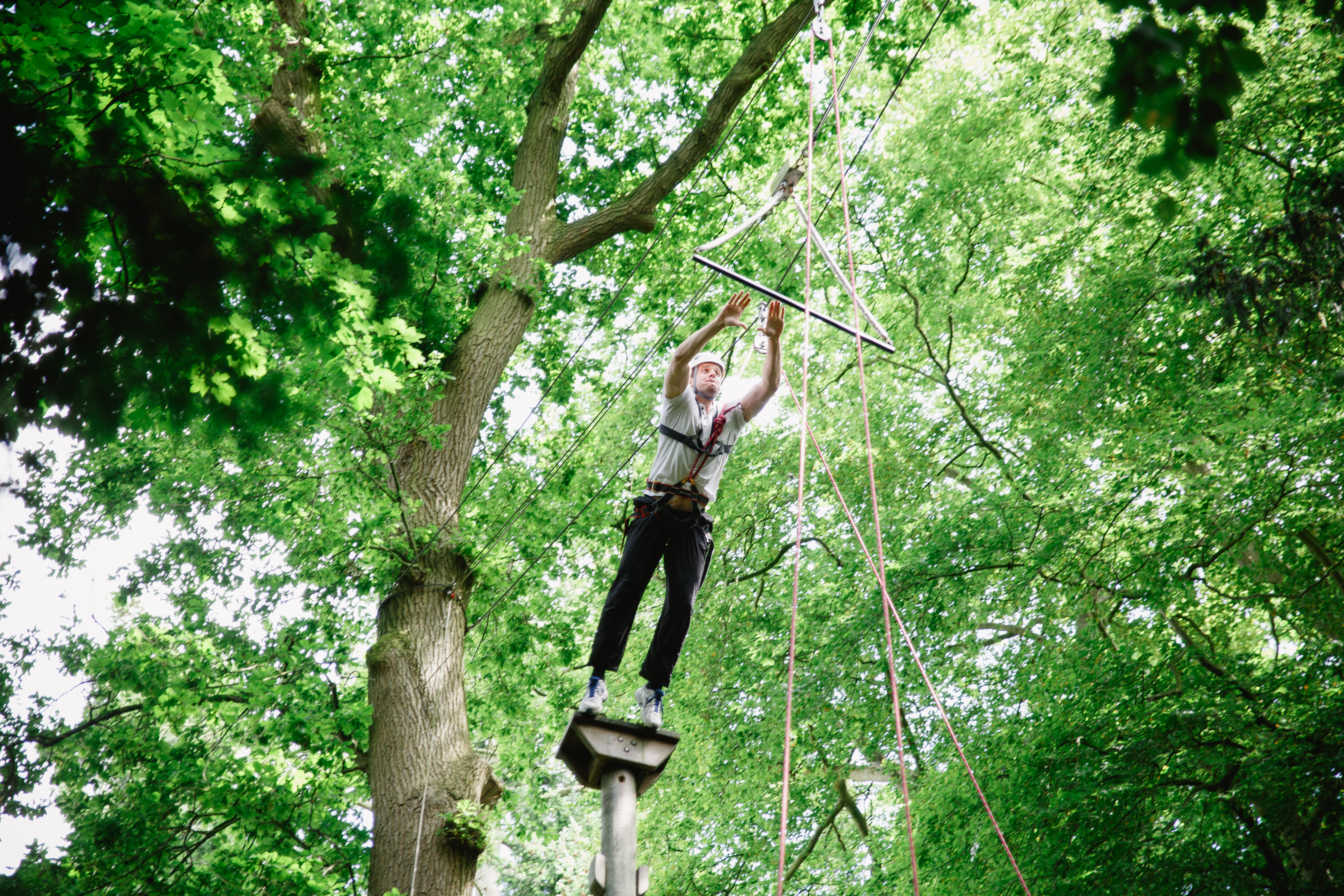
I used to freelance at Log Heights, a well-established high ropes course at Ripley Castle.
£50 for a half day, £100 for a full day. Solid work.
At the time, I noticed the owner had gone through a big life change and was exploring new ventures. On a complete off-chance, I asked:
“Would you ever consider selling the ropes course?”
That one question opened the door.
Ripley had huge untapped potential—open space, a private lake, a deer park.
We weren’t just looking to buy a ropes course. We were buying an opportunity.
Mountain Explorers – Spotting the Strain
Another example: Mountain Explorers.
They were running large-scale programmes, including work with The Prince's Trust, and we supported them as a delivery partner.
Over time, it became obvious the owner was stretched. The opportunity wasn’t advertised. It wasn’t “for sale.”
But it was there.
Over a coffee, I asked if we could support and eventually acquire the business.
That single move pulled us into a completely new space with more impact, more purpose, and a whole new layer to what we offer today.
Harrogate Climbing Centre – The Big Leap
Then came our biggest move: Harrogate Climbing Centre.
Dan and I had both worked there years before starting the business. Back then, it was electric with a great team, great energy and packed sessions.
When I went back years later… it wasn’t the same.
It felt flat. Tired. Like it needed new life.
So again, on instinct, I reached out:
“We’re looking to expand and bring in something indoor for winter, have you ever thought about selling?”
That email turned into a coffee.
That coffee turned into a deal.
But this one was different.
Unlike previous acquisitions funded through cashflow, this required real financial commitment with borrowing, personal investment and major risk.
The game changed overnight.
Established vs Starting from Scratch
Every acquisition we’ve made has been an existing business.
That means paying for something which also includes goodwill - the brand, the reputation, the customer base, the momentum.
Yes, it costs more.
But compare that to building from scratch:
We’ve done both—launching things like escape rooms from zero, and acquiring established venues.
And the difference is simple:
Buying gives you a moving vehicle. Building means pushing it uphill first.
What Makes a Good Deal?
There’s no universal answer.
A “good” deal is contextual. Strategic. Personal.
We didn’t just buy random opportunities, we bought things that fit:
A ropes course with room to expand into multiple activities
A climbing wall in Harrogate to support our existing site
Opportunities where we were willing to step into competition
Would we have bought a random indoor site with no growth potential? No.
A climbing wall in a different city with no synergy? Also no.
The deal only works if it strengthens your overall ecosystem.
Vertical vs Horizontal Growth
When you’re scaling, you’ve got two main paths:
Vertical Growth (Control More of the Chain)
You acquire businesses that support your core operation.
For example, If you run outdoor activity centres, you might acquire your own instructor training pipeline, equipment supplier, or booking platform.
You reduce costs, increase control, and build resilience.
Horizontal Growth (Expand the Experience)
You move into complementary areas.
For example:
Climbing wall + coffee shop
Escape rooms + mobile events
Outdoor centres + indoor winter venues
You’re not replacing your core—you’re strengthening it.
The Real Opportunity (That No One Talks About)
Every single deal we’ve done had one thing in common:
The previous owner had lost their spark.
Not their capability. Not their knowledge.
Just the energy.
And right now? There are more of those people than ever.
Business owners who are:
They’re not shouting about it.
But if you look closely and ask the right questions, the opportunities are everywhere.
What’s Next?
This is just the start.
Planting the seed is the easy part.
Next week, I’ll break down how you turn a “maybe” into an actual deal, because that process is longer, messier, and more strategic than most people realise.
If you’re thinking about growth, expansion, or even your first acquisition…
Start by just asking the question.


:quality(80))
:quality(80))
:quality(80))
:quality(80))